

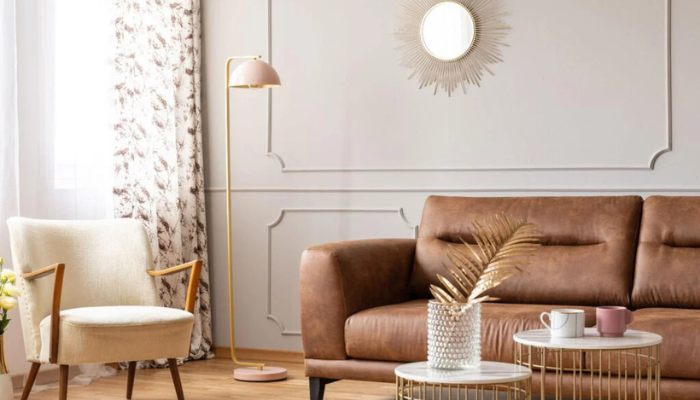
Modern interior design is no longer just about filling a room with pretty items; it is about crafting an ecosystem that serves your daily lifestyle smoothly. As urban living spaces evolve and remote work remains a staple of everyday life, learning the best tips for functional furniture has become an essential strategy for homeowners and renters alike. A home should feel expansive, organized, and inviting—regardless of its actual square footage. By choosing versatile, adaptive, and intelligently designed furnishings, you can transform chaotic, cramped spaces into serene hubs of productivity and relaxation.
Mastering functional design requires shifting your focus from purely aesthetic appeal to practical performance. When every chair, table, and storage unit serves a distinct purpose—or better yet, multiple purposes—your home naturally becomes cleaner, more organized, and far more adaptable. Whether you are moving into a compact downtown apartment or redesigning a suburban family room, applying the best tips for functional furniture ensures that your interior decorating investment provides long-term comfort, ease, and visual balance.
Prioritize Multi-Purpose Designs to Maximize Small Spaces
One of the foundational rules of smart home staging is investing in items that perform double duty. When room dimensions are tight, single-use items take up valuable real estate without offering proportional value. Opting for dual-purpose items allows you to cut visual noise while maintaining all the utility you need. Think of a living room ottoman that opens up to reveal deep storage for extra blankets, or a dining table equipped with drop-down leaves that shifts effortlessly from an intimate breakfast spot into a full dinner layout for guests.
Beyond mere convenience, multi-functional items drastically simplify daily routines and reduce household clutter. Storage beds with built-in side drawers eliminate the need for bulky dressers, leaving floor areas open and breathable. Wall-mounted drop-leaf desks provide an ergonomic workstation during office hours and fold flush against the wall when evening comes. By prioritizing multi-purpose versatility, you create an adaptable environment that shifts seamlessly alongside your daily activities.
Embrace Modular Furniture for Dynamic Layout Customization
Life is rarely static, and your home layout should reflect your changing needs over time. Modular furniture units represent the height of adaptive design, allowing you to reconfigure, expand, or contract your setup whenever your living situation shifts. Sectional sofas built with moveable ottomans and interchangeable armrests let you alter seating configurations on the fly for movie nights, formal gatherings, or solo relaxing.
Furthermore, modular shelving units give you absolute control over vertical wall space. Instead of buying fixed, heavy bookcases that dictate where everything goes, modular blocks allow you to build custom storage around windows, media centers, or sloped ceilings. As your library grows or your decorative collection shifts, modular systems can scale up with ease. This long-term flexibility protects your investment, ensuring your chosen pieces stay relevant even if you move to a completely new property.
Leverage Vertical Space with Smart Wall-Mounted Pieces
When floor space is limited, the smartest direction to build is up. Utilizing vertical height is a crucial tactic for maintaining an airy feel in small-to-medium rooms. Wall-floating consoles, hanging nightstands, and tall shelving units clear up floor space, giving the visual illusion of a much wider room while providing ample storage. Keeping floor surfaces exposed allows light to pass through unobstructed, making any floor plan feel immediately open.
Floating desks and wall-anchored drop tables serve as efficient home offices without hogging floor space. Complementing these with tall, slender book towers or high-mounted display shelves lets you utilize overlooked real estate right up to the ceiling line. When implementing vertical solutions, ensure wall anchors are sturdy and weight limits are respected to balance sleek visual minimalism with everyday safety.
Integrate Hidden Storage Solutions to Eliminate Daily Clutter
Clutter is the primary enemy of functional interior design. Even the most beautifully decorated room quickly loses its charm when surfaces are littered with stray cables, paperwork, and daily accessories. Incorporating furniture pieces with built-in, concealed storage offers a direct remedy, keeping daily essentials within arm’s reach while hiding them neatly out of sight. Lift-top coffee tables, for instance, offer an elevated work surface while housing board games, remotes, and magazines in a concealed inner compartment.
Likewise, upholstered benches placed at the foot of a bed or inside an entryway provide a comfortable seat while concealing shoes, seasonal outerwear, or extra linen sets. Bench seating with drop-down compartments or lift-up tops makes maintaining an organized hallway effortless. Integrating these hidden storage features lets you cultivate a clean, peaceful living atmosphere that looks continuously staged for a magazine cover.
Focus on Scale, Mobility, and Proportional Balance
Even the most feature-packed furniture item will fail to feel functional if its scale overpowers the room. Selecting pieces that fit the true proportions of your floor plan is critical. Oversized couches placed in tiny living rooms restrict natural traffic lanes and create an uncomfortable, claustrophobic atmosphere. Conversely, undersized accent items in an expansive room look lost and unanchored. Striking the right balance involves accurate measurements of floor area, doorway clearances, and ceiling height before purchasing.
Mobility is another critical element of functional design. Selecting lightweight accent tables, rolling kitchen islands, or armchairs set on smooth casters allows you to rearrange your space in seconds. Mobile pieces adapt instantly whether you need extra floor space for an at-home workout, a temporary play area, or additional seating for dinner guests. Prioritizing correct scale and swift mobility ensures your home stays fluid, comfortable, and easy to navigate.
Summary of Core Functional Furniture Strategies
| Focus Area | Key Furniture Choices | Primary Benefit |
| Multi-Purpose | Storage ottomans, drop-leaf tables, sofa beds | Maximizes utility without doubling footprint |
| Modular Design | Sectional sofas, stackable wall shelving | Offers customizable layouts for changing needs |
| Vertical Space | Floating desks, wall-hung consoles, tall shelves | Clears floor space to create an airy visual look |
| Hidden Storage | Lift-top coffee tables, storage benches | Keeps everyday clutter hidden out of sight |
| Scale & Mobility | Caster-based carts, proportional armchairs | Ensures smooth traffic flow and easy rearrangement |
Conclusion
Mastering the best tips for functional furniture is about creating a living space that works hard for you every single day. By prioritizing multi-purpose utility, modular flexibility, vertical storage, and appropriate room proportions, you can transform any interior into a organized, stylish sanctuary. Smart furniture choices remove physical friction from your daily routine, proving that you never have to sacrifice aesthetic beauty for real-world practicality. Take time to assess your space, measure accurately, and choose adaptable pieces that will serve your home lifestyle for years to come.
Frequently Asked Questions (FAQs)
1. What is the definition of functional furniture?
Functional furniture refers to interior pieces designed with a focus on practical utility, versatility, and space efficiency. Rather than serving purely decorative purposes, functional items often feature hidden storage, modular adaptabilities, or multi-use features to optimize living environments.
2. How do I choose the best functional furniture for a tiny apartment?
Focus on items that combine two or more functions into a single footprint. Look for storage beds, lift-top coffee tables, drop-leaf dining tables, and wall-mounted desks. Additionally, select pieces elevated on slim legs to expose floor area and create an open visual feel.
3. What are the best multi-functional furniture items for living rooms?
Top choices include sofa beds or daybeds for overnight guests, lift-top coffee tables that double as work desks, storage ottomans that serve as footrests and seating, and modular sectionals that reconfigure based on gathering size.
4. Are modular sofas worth the investment?
Yes, modular sofas offer exceptional long-term value because they adapt to different floor plans over time. If you move to a new home or redecorate, you can easily reconfigure the individual modules without buying an entirely new sofa setup.
5. How can I use functional furniture to create a home office in a small space?
Utilize wall-mounted floating desks or fold-down ladder desks that occupy zero floor area when closed. Combine these with an ergonomic chair that tucks neatly underneath, and use vertical wall shelving directly above the desk to store paperwork and office supplies.
6. What materials are best for long-lasting functional furniture?
Durable hardwoods (like oak, maple, or walnut), powder-coated steel frames, high-density composites, and performance upholstery fabrics offer the best longevity. Because functional pieces feature moving parts or dual uses, sturdy construction is essential.
7. How does functional furniture help reduce visual clutter?
Functional furniture incorporates built-in, concealed storage compartments like drawers, lift-up seats, and enclosed shelving. These features allow you to store daily electronics, cables, toys, and linens out of plain sight, keeping surfaces clean and serene.
8. What is the difference between modular and multi-functional furniture?
Multi-functional furniture performs more than one distinct task (such as an ottoman that acts as a seat and a storage bin). Modular furniture consists of independent units or sections that can be rearranged, stacked, or combined into various structural configurations.
9. How do I properly measure my room before buying functional pieces?
Measure the total wall length, floor area, ceiling height, and door clearances. Also map out natural walking paths and door swing radiuses to ensure that fold-out features (like sleeper sofas or drop-leaf tables) have adequate clearance when fully extended.
10. Can functional furniture fit luxury or traditional interior design styles?
Absolutely. Modern manufacturers craft functional furniture in a wide array of styles, ranging from classic mid-century timber to sleek contemporary glass and rich upholstered traditional designs. Practicality no longer requires sacrificing high-end aesthetic appeal.
