

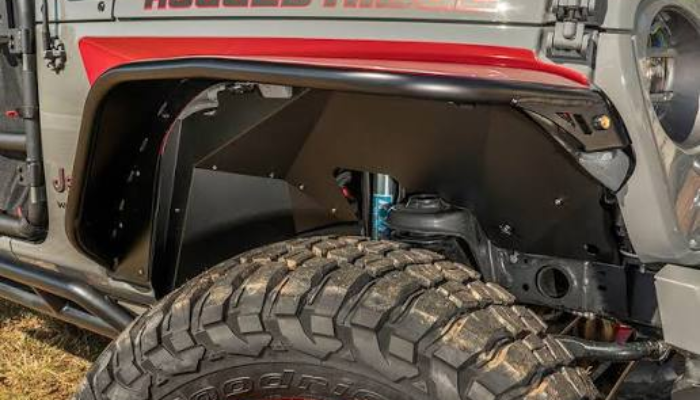
A small plastic panel inside your vehicle’s wheel arch may not seem important—until it starts hanging loose, cracking, or disappearing altogether. The wheel well liner is one of those parts that often goes unnoticed because it works quietly behind the scenes.
Mounted between the wheel and the vehicle’s body, this protective panel helps shield vulnerable components from water, mud, road debris, and other contaminants thrown up by the tire. Depending on the vehicle, it may also help control noise and protect the underside of the body from constant exposure to road grime.
If you have noticed a damaged liner, heard something rubbing near a tire, or simply want to understand what this component does, it is worth taking a closer look. This guide explains the purpose of a wheel well liner, common signs of damage, repair and replacement considerations, and simple maintenance tips that can help prevent bigger problems.
What Is a Wheel Well Liner?
A wheel well liner, sometimes called a fender liner or inner fender liner, is a shaped protective panel fitted inside the wheel arch. It sits between the rotating tire and parts of the vehicle that need protection.
Many liners are made from durable plastic or a flexible composite material. Their exact shape and construction vary by vehicle, but the basic purpose is similar: create a barrier between the tire and the vehicle’s body and components.
As you drive, the tires can throw water, dirt, gravel, salt, mud, and other road debris into the wheel well. Without adequate protection, that material can reach areas that are difficult to clean and more vulnerable to contamination or corrosion.
The liner is not simply decorative, either. It is designed to fit around suspension components, body panels, wiring, and other parts while allowing the wheel and suspension to move normally.
Because the liner is exposed to road conditions, it can eventually become scratched, cracked, loose, or torn. A minor defect may not immediately affect how the vehicle drives, but leaving a severely damaged liner unattended can reduce the protection it provides.
Why Does a Wheel Well Liner Matter?
The main job of the liner is protection. Every time the vehicle moves through rain, puddles, mud, gravel, or dusty roads, the tires can send debris into the wheel housing. The liner takes much of that abuse instead of allowing it to hit the vehicle directly.
It can protect nearby bodywork and components from repeated exposure to moisture and debris. In some vehicles, the liner also contributes to managing airflow around the wheel area and reducing the amount of road noise reaching the cabin.
This becomes especially noticeable when a liner is missing or badly damaged. You may see more dirt accumulating inside the wheel well, hear a loose panel flapping at speed, or notice that the liner is rubbing against the tire.
A properly fitted liner also keeps the wheel-well area more organized. Rather than leaving exposed gaps around the wheel opening, it provides a barrier that follows the shape of the body and tire.
That does not mean the liner makes the vehicle completely waterproof or prevents corrosion by itself. It is one part of the vehicle’s overall protection system, and its effectiveness depends on its condition and proper installation.
What Are the Signs of a Damaged or Loose Liner?
Some liner problems are easy to spot, while others become noticeable through sounds or changes in the wheel-well area.
One common warning sign is a loose or hanging section. You might see part of the liner drooping underneath the bumper or near the tire. This can happen when a retaining clip breaks, a fastener comes loose, or the material itself tears.
Cracks and holes are another indication that the liner may need attention. Small marks can occur from normal road debris, but larger openings can leave more of the wheel-well area exposed.
You may also hear unusual noises. A liner that has come away from its mounting points can flap while driving. If part of it moves close enough to the tire, it may produce a rubbing or scraping sound.
After driving through rough conditions, it is worth checking for:
- Broken or missing clips
- Cracks around mounting holes
- Torn or missing sections
- Plastic rubbing against the tire
- A panel hanging below the wheel arch
- Excessive dirt or debris behind the liner
If you hear something rubbing against the tire, do not assume it is harmless. Stop and inspect the area when it is safe to do so. A loose liner can move further out of position, particularly at higher speeds or when the steering is turned.
Can You Repair a Wheel Well Liner?
Whether a wheel well liner can be repaired depends on the type and extent of the damage.
A loose liner may only need new clips or fasteners if the panel itself remains intact. In that situation, replacing the missing hardware and correctly securing the panel can restore its position.
A small crack may also be repairable in some circumstances, particularly if it has not affected the liner’s mounting points or overall shape. However, a repair should leave the panel firmly secured and safely away from the tire and moving suspension components.
Replacement is generally more appropriate when the liner is badly cracked, torn, deformed, or missing a substantial section. A damaged panel may no longer provide the coverage it was designed to provide, and an improvised repair can sometimes create new clearance problems.
If you are considering a repair, inspect the entire liner rather than focusing only on the visible damage. Check where it attaches to the vehicle and make sure the mounting points have not been pulled out or damaged.
The key question is not simply whether the panel can be patched. It is whether the finished repair will keep the liner securely positioned throughout normal driving.
How Do You Choose the Right Replacement Liner?
If replacement is necessary, fitment is the first thing to get right. Wheel well liners are generally designed for specific vehicle applications, and the left and right sides may use different shapes.
Start with the vehicle’s year, make, model, body style, and the exact wheel position. Depending on the vehicle, additional details such as trim level or drivetrain may matter.
Do not choose a replacement based solely on appearance. Two liners can look similar in photographs while having different mounting points or contours.
A suitable replacement should:
- Match the correct side of the vehicle
- Have the appropriate mounting points
- Provide adequate tire clearance
- Follow the original wheel-well shape
- Be made from a suitable durable material
- Include or accommodate the necessary fasteners
OEM parts can be a straightforward choice because they are designed for the original vehicle application. Aftermarket options can also be suitable, but fit and material quality can vary between manufacturers.
Before installing a replacement, compare it with the old panel if possible. Pay particular attention to mounting holes, edges, bends, and areas around the tire and suspension.
How Should You Maintain a Wheel Well Liner?
Wheel well liners do not normally require complicated maintenance. The most useful habit is simply to inspect them periodically and keep the area reasonably clean.
When washing the vehicle, rinse the wheel wells to remove accumulated mud and road debris. If the vehicle has been driven through particularly muddy or salty conditions, giving the area extra attention can help prevent buildup.
Avoid forcing high-pressure water directly into delicate electrical connectors or other sensitive components. The goal is to clean the wheel-well area without causing unnecessary damage.
It is also useful to inspect the liner after hitting a significant pothole, driving over rough terrain, or noticing an unusual noise. A sudden impact can damage a clip or mounting point even when the vehicle otherwise appears fine.
During an inspection, turn the steering as appropriate for access while making sure the vehicle is safely parked. Never put your hands near a tire or moving component while the vehicle is running.
If you find a loose fastener, cracked mounting point, or panel that has moved toward the tire, address it before continuing to drive normally.
When Should You Replace a Wheel Well Liner?
There is no universal replacement interval for a wheel well liner. Its lifespan depends on the vehicle, driving environment, material, and amount of exposure to road debris.
A liner that remains securely mounted and structurally sound may not need replacement simply because it has been on the vehicle for many years. On the other hand, a relatively new liner may need attention after impact damage.
Replacement becomes more compelling when the panel is missing, severely cracked, badly torn, repeatedly coming loose, or unable to maintain safe clearance from the tire.
It is also worth considering replacement when several mounting points are damaged. A panel with multiple broken attachment areas may continue to loosen even after individual clips are replaced.
If you are unsure, compare the condition of the damaged liner with the surrounding components. If the liner is no longer performing its protective function or cannot be securely mounted, replacing it is usually more sensible than repeatedly trying to hold it in place.
The important thing is to treat the liner as a functional protective component, not merely a piece of plastic that can be ignored when it becomes damaged.
Conclusion
A wheel well liner may spend most of its life out of sight, but it plays an important protective role. It helps separate the tire from the vehicle’s body and nearby components while limiting exposure to water, mud, gravel, and road debris.
A loose clip or small crack does not necessarily mean the entire liner needs replacing. In some cases, securing the existing panel or repairing minor damage may be enough. When the liner is badly damaged, missing, or unable to stay safely in position, replacement is the better approach.
Regular visual checks and sensible cleaning can help you catch problems early. If you notice a hanging panel, unusual rubbing noise, or damaged mounting points, investigate it rather than waiting for the problem to get worse.
In short, the best wheel well liner is one that fits correctly, stays securely mounted, and continues to provide the coverage your vehicle was designed to have.
FAQs
What is a wheel well liner used for?
It helps protect the inside of the wheel housing and nearby vehicle components from water, mud, dirt, gravel, and other road debris thrown by the tire.
Is a wheel well liner the same as a fender liner?
In many automotive contexts, the terms are used interchangeably. Both generally refer to the protective panel installed inside the wheel arch.
Can I drive with a missing wheel well liner?
It may be possible to drive temporarily, but a missing liner leaves areas more exposed to road debris and moisture. The vehicle should be inspected and the appropriate panel replaced when necessary.
What causes a wheel well liner to come loose?
Common causes include broken clips, missing fasteners, impact damage, cracked mounting points, and deterioration of the liner material.
Can a cracked wheel well liner be repaired?
A minor crack may be repairable if the liner remains structurally sound and can be securely mounted. Severe damage, large tears, or extensive mounting-point damage generally make replacement more practical.
How do I know which replacement liner to buy?
Use the vehicle’s year, make, model, body style, and the correct side of the vehicle. Verify the part’s mounting points and fitment rather than choosing one based only on appearance.
Does a wheel well liner help prevent rust?
It can reduce direct exposure of protected areas to water and road debris, but it is not a complete rust-prevention system. Keeping the wheel-well area clean and addressing damaged liners can still be useful for overall vehicle protection.
