

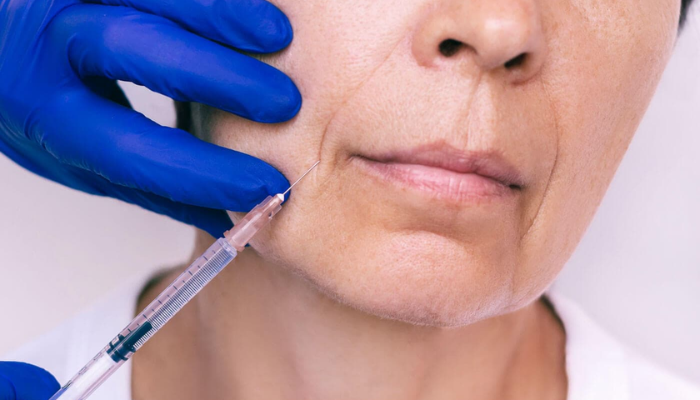
Smile lines are a normal part of facial expression, but over time, the creases running from the sides of the nose toward the corners of the mouth can become more noticeable even when your face is relaxed. These folds are commonly called nasolabial folds, and aging, sun exposure, smoking, changes in facial volume, and genetics can all contribute to their appearance.
If you’re looking for a filler for smile lines, you may be wondering whether dermal fillers can actually soften these folds, which type is appropriate, how long results last, and whether the procedure is safe.
Dermal fillers can add volume beneath the skin and soften certain facial creases. However, the best treatment depends on your facial structure, the depth of the folds, your skin quality, and the result you want. Understanding the options before booking an appointment can help you have a more realistic conversation with a qualified medical professional.
What Are Smile Lines and Why Do They Become More Visible?
Smile lines, or nasolabial folds, are the creases that extend from the sides of the nose toward the corners of the mouth. Almost everyone develops some degree of these folds, and they can become more defined with age.
Several changes can make them more noticeable. As the face ages, skin gradually loses collagen and elasticity, while changes in facial fat and underlying structures can affect how the cheeks and lower face are supported. Sun exposure and smoking can also contribute to the breakdown of collagen and elastin.
Weight changes may make the folds more apparent as well. For some people, the lines are visible mainly when smiling, while for others they remain noticeable when the face is at rest.
This distinction matters because smile lines are not simply a problem of “wrinkled skin.” The appearance of a nasolabial fold can be influenced by the volume and structure of the surrounding face. A good injector therefore evaluates the entire area rather than automatically placing a large amount of filler directly into the crease.
How Does Filler for Smile Lines Work?
A dermal filler is an injectable material placed beneath the skin to add volume and improve the appearance of certain wrinkles, folds, or facial contours. Fillers are among the treatments used for nasolabial folds and can create a smoother-looking transition between the cheeks and the area around the mouth.
Hyaluronic acid (HA) is one of the commonly used filler materials. HA naturally occurs in the body and can attract water, helping create a filling and smoothing effect. Depending on the specific product and where it is used, HA fillers are generally temporary and are eventually broken down by the body.
The goal is not necessarily to make the fold disappear completely. In many cases, a natural result means softening the crease while preserving normal facial movement and expression.
During a consultation, a qualified injector may assess your cheeks, midface, skin quality, facial proportions, and the depth of the nasolabial folds before deciding whether filler is appropriate. In some people, treating nearby areas or addressing volume loss elsewhere may produce a more balanced result than simply filling the deepest part of the line.
Which Type of Filler Is Best for Smile Lines?
There is no single filler that is automatically best for everyone. Different dermal fillers have different materials, properties, consistencies, and approved uses, so the choice should be based on the individual patient and the product’s specific indications.
Hyaluronic acid filler is a common option for facial folds because it can add volume and soften creases. Some HA fillers are also considered reversible, which can be an important consideration when discussing treatment with a qualified professional.
Other filler materials include calcium hydroxylapatite and poly-L-lactic acid. These materials behave differently from HA and may be appropriate for particular treatment goals or facial areas. The FDA notes that the duration and approved uses vary according to the specific filler product.
Rather than choosing a filler based only on its brand name or how long it supposedly lasts, ask the provider:
- Which filler are you recommending?
- Is it appropriate for my specific treatment area?
- What result should I realistically expect?
- How long might the result last?
- What are the common and serious risks?
- What happens if I am unhappy with the result?
The right product is only one part of the equation. Injector experience, facial anatomy, technique, and conservative treatment can have a major influence on the outcome.
What Can You Expect During and After Treatment?
Dermal filler treatment is typically performed during an office visit. Depending on the product and treatment plan, a provider may use a needle or cannula and may use a topical or local anesthetic to improve comfort.
The provider first evaluates the treatment area and marks or cleans the skin as appropriate. The filler is then injected into carefully selected areas. The exact injection technique varies according to the product, anatomy, and desired correction.
It is common to experience temporary effects such as swelling, bruising, redness, tenderness, or discomfort after an injection. These reactions often improve over the following days, although recovery varies from person to person.
Results can be visible relatively quickly with many fillers, although swelling can temporarily affect the appearance. The final result should be judged after the initial post-treatment changes have settled rather than immediately after the appointment.
How long filler lasts depends on the material, product, treatment area, and individual factors. For example, the FDA states that the effects of hyaluronic acid fillers generally last approximately six to 12 months, although individual products and treatment results can differ.
What Are the Risks of Filler for Smile Lines?
Although dermal fillers are widely used, they are medical procedures and are not risk-free.
Common short-term effects include bruising, redness, swelling, pain, tenderness, itching, and rash. Less common complications can include infection, inflammatory reactions, nodules, granulomas, allergic reactions, and tissue injury.
One of the most serious complications occurs when filler is unintentionally injected into a blood vessel. Although this is uncommon, it can restrict blood flow and potentially cause tissue death, vision problems, or stroke. The FDA recommends seeking immediate medical attention for unusual pain, changes in vision, or skin that becomes white, gray, or blue near the injection site, as well as symptoms suggestive of a stroke.
This is why where you receive filler matters. The American Academy of Dermatology recommends having fillers performed by a qualified physician in a medical setting rather than at a party, someone’s home, or another non-medical environment.
Before treatment, tell your provider about allergies, medications or conditions that may affect bleeding, active skin infections or inflammation, and any previous cosmetic injections. Your provider can determine whether treatment should be postponed or whether a different approach is more appropriate.
How Can You Choose a Safe Provider for Smile Line Filler?
Choosing the injector may be more important than choosing a particular filler brand.
Look for a properly qualified medical professional with specific experience in facial anatomy and dermal filler injections. A consultation should involve more than simply asking how many syringes you want. The provider should examine your face, discuss your goals, explain the proposed product and technique, and describe both expected results and possible complications.
It can also be helpful to ask to see before-and-after photographs of previous patients with similar concerns. The American Academy of Dermatology specifically recommends choosing a qualified physician and discussing realistic expectations before treatment.
Be cautious of unusually cheap offers, pressure to purchase treatment immediately, or providers who cannot clearly explain what product they intend to inject.
You should also ask to see the product packaging and confirm what filler is being used. The FDA advises healthcare providers to use approved products and carefully check filler packaging for authenticity.
A good consultation should leave you feeling informed rather than pressured. If you are uncomfortable with the treatment plan, getting a second professional opinion is reasonable.
Are There Alternatives to Filler for Smile Lines?
Filler is only one option for improving the appearance of smile lines. The best approach depends on whether your main concern is volume loss, skin texture, laxity, pigmentation, or the depth of the fold.
A consistent skincare routine can help support healthier-looking skin. Daily sun protection is particularly important because ultraviolet exposure contributes to skin aging. Topical retinoids may also help improve certain signs of photoaging and fine lines over time, although they will not reproduce the immediate volume-restoring effect of a dermal filler.
Other professional treatments may include laser or energy-based skin-tightening procedures, depending on the patient’s skin and goals. For more significant facial aging or loose skin, surgical procedures such as a facelift or cheek lift may be considered.
These treatments are not interchangeable. A filler adds volume; a skin-resurfacing treatment primarily targets skin quality; and surgery can address more substantial changes in skin and underlying tissues.
For that reason, the most useful question may not be “Which filler should I get?” but rather “What is causing my smile lines to look prominent, and which treatment best addresses that cause?”
Conclusion
Filler for smile lines can be an effective option for people who want to soften noticeable nasolabial folds without surgery. Dermal fillers work by adding volume beneath the skin, and hyaluronic acid is one commonly used option for facial folds. However, results, longevity, and suitability vary from person to person.
The safest approach is to have your face assessed by a qualified medical professional who can determine whether filler is appropriate and recommend a suitable product and treatment plan. Remember that a natural-looking result usually comes from careful assessment and conservative treatment rather than simply trying to erase every crease.
If you are considering treatment, focus on the provider’s qualifications, the specific product being recommended, realistic expectations, and a clear understanding of both common and serious risks. That information can help you make a more informed decision about whether smile line filler is right for you.
FAQs
How long does filler for smile lines last?
The duration depends on the filler material, product, treatment area, and individual factors. FDA information indicates that hyaluronic acid filler effects generally last around six to 12 months, although individual results can vary.
Is filler good for deep smile lines?
Filler can soften some moderate to deep nasolabial folds by restoring volume beneath the skin. However, deeper folds may have several contributing factors, so a qualified provider should assess the surrounding facial structure before recommending treatment.
Is hyaluronic acid filler used for smile lines?
Yes. Hyaluronic acid is one of the commonly used materials in dermal fillers for facial folds, including nasolabial folds. It works by adding volume and creating a smoothing effect.
Does filler completely remove smile lines?
Usually, the goal is to soften the appearance rather than completely eliminate the fold. Trying to fill a crease excessively can produce an unnatural result, so treatment should be tailored to the individual’s facial anatomy and goals.
What are the side effects of smile line filler?
Temporary bruising, swelling, redness, tenderness, pain, itching, and rash can occur. Less common complications include infection, nodules, allergic reactions, and inflammatory reactions. Rare but serious complications can occur if filler enters a blood vessel.
How can I make smile line filler safer?
Choose a qualified, experienced medical professional who performs injections in an appropriate medical setting. Ask which product will be used, discuss your medical history and allergies, understand the potential risks, and make sure you know what symptoms require urgent medical attention.
Are there alternatives to filler for smile lines?
Yes. Depending on the cause and severity of the folds, options can include skincare, retinoids, laser or other skin-tightening treatments, and surgical procedures. A consultation can help determine which approach best matches your goals.
